
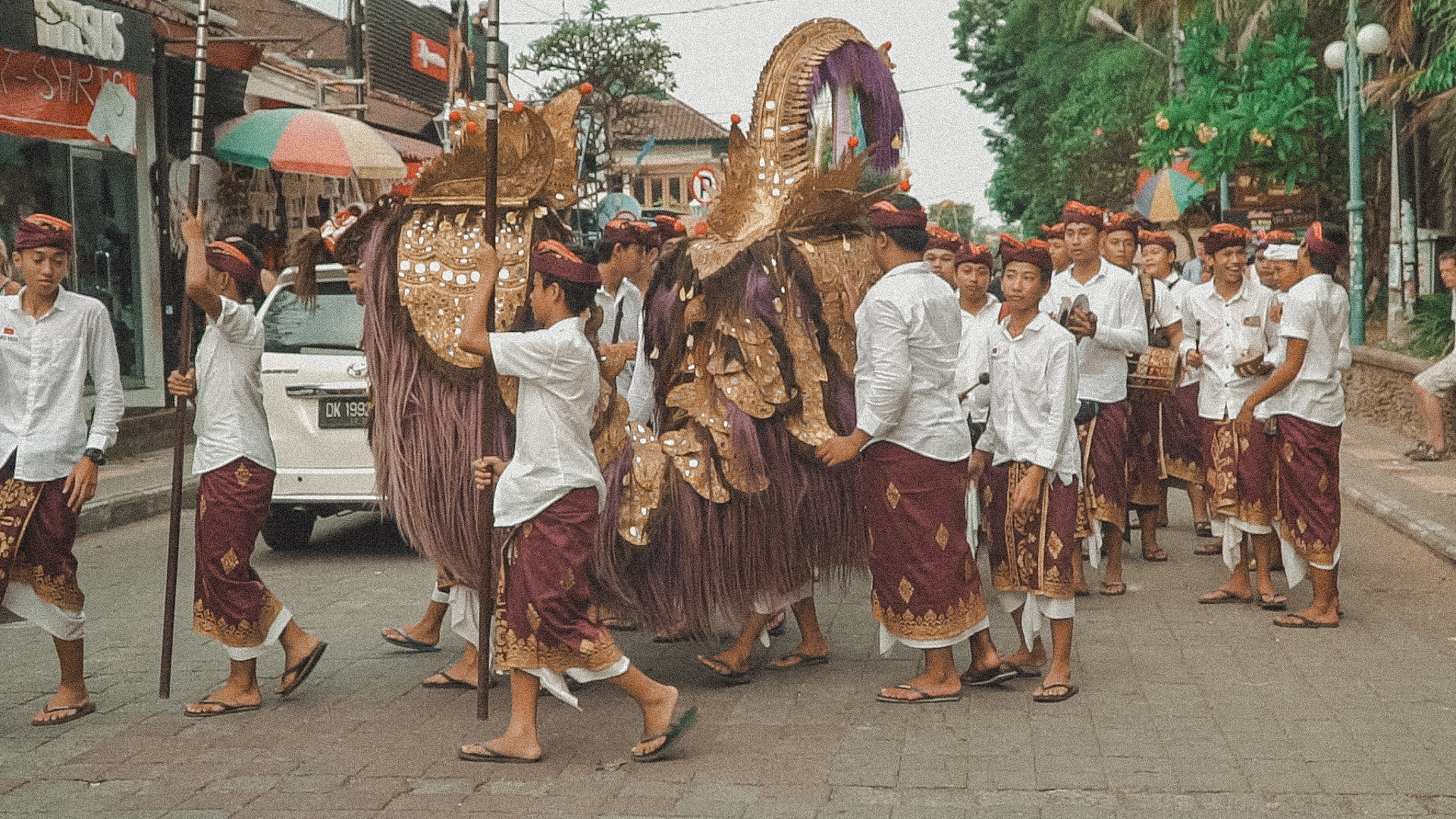
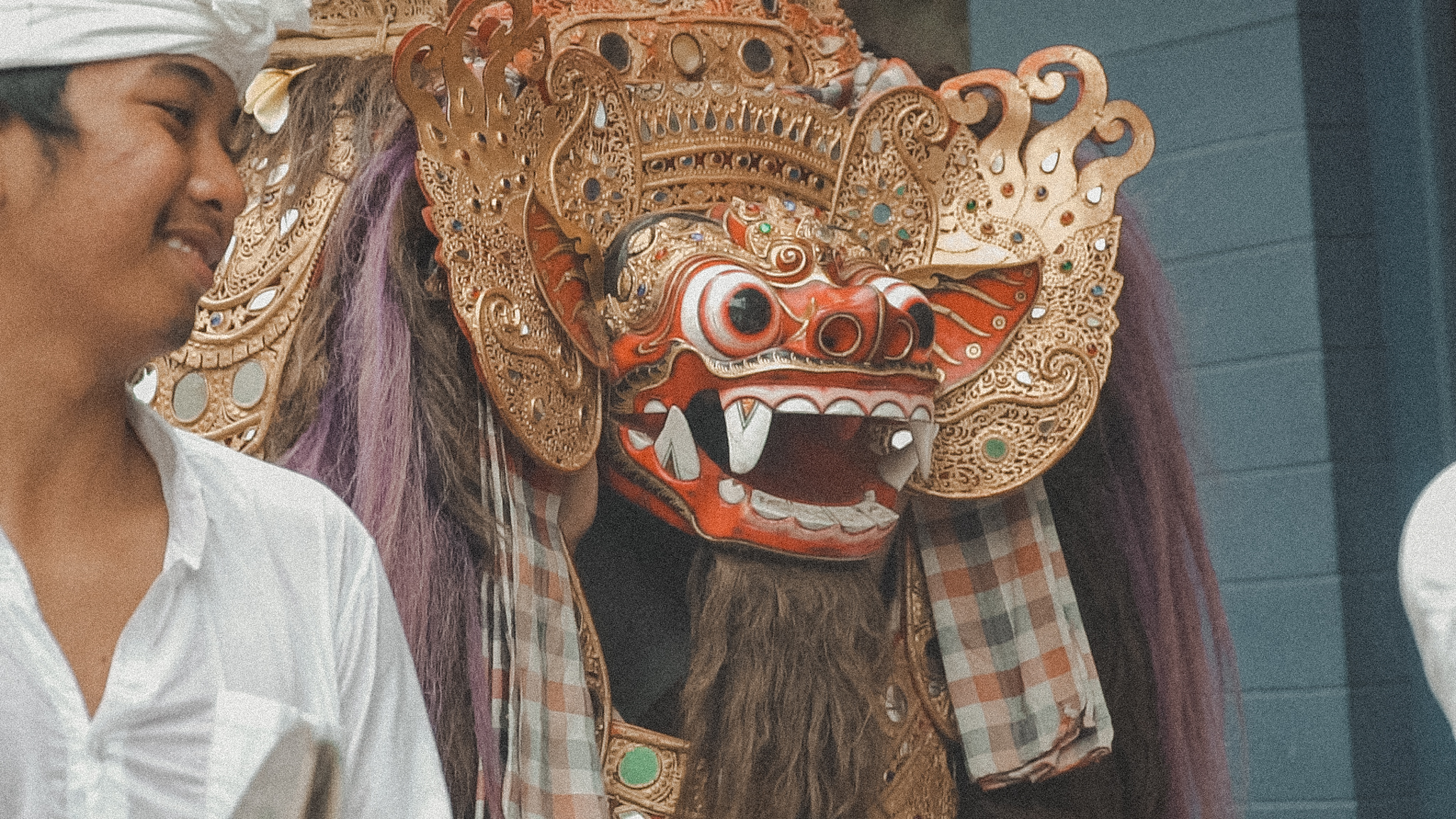
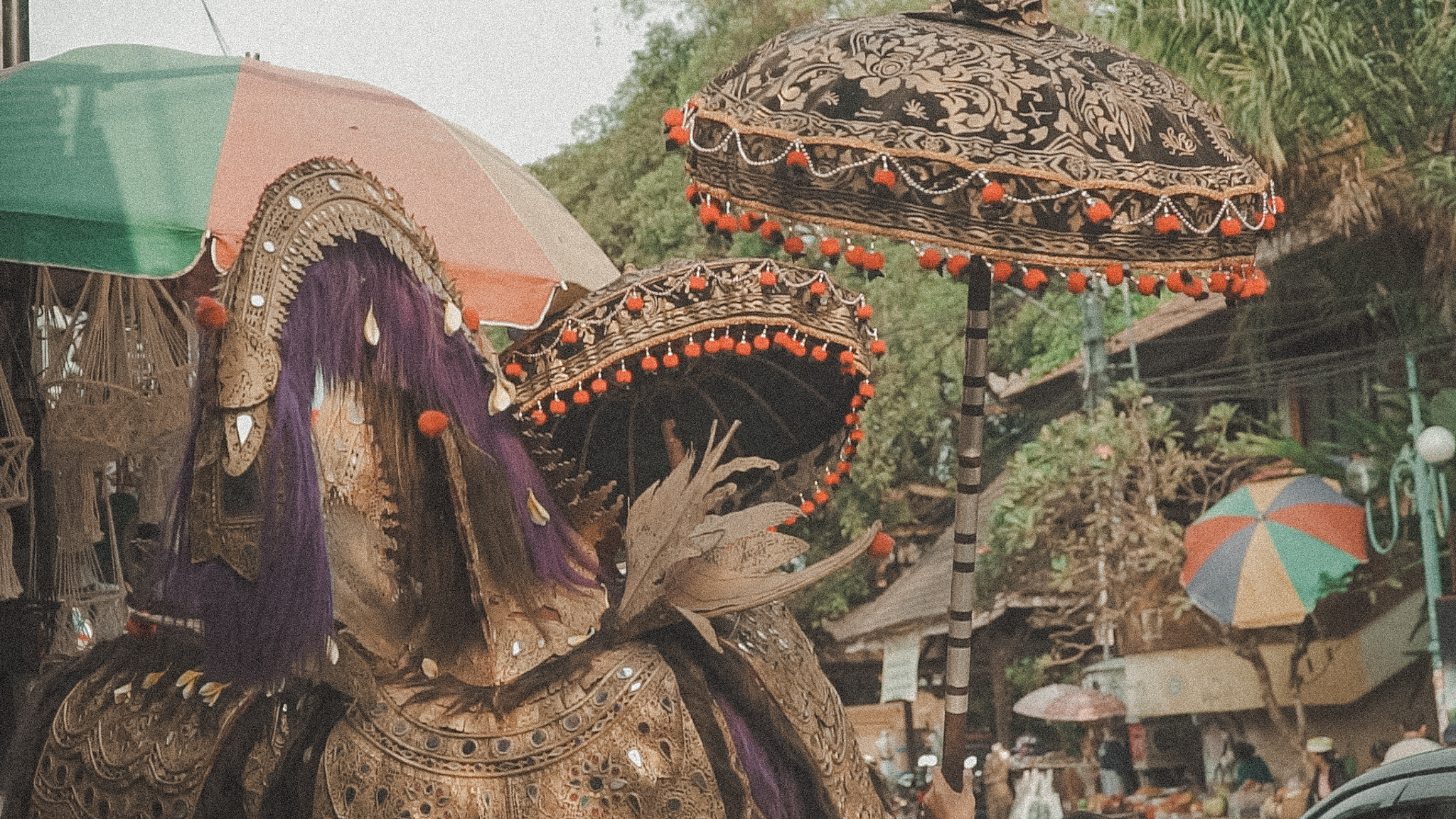
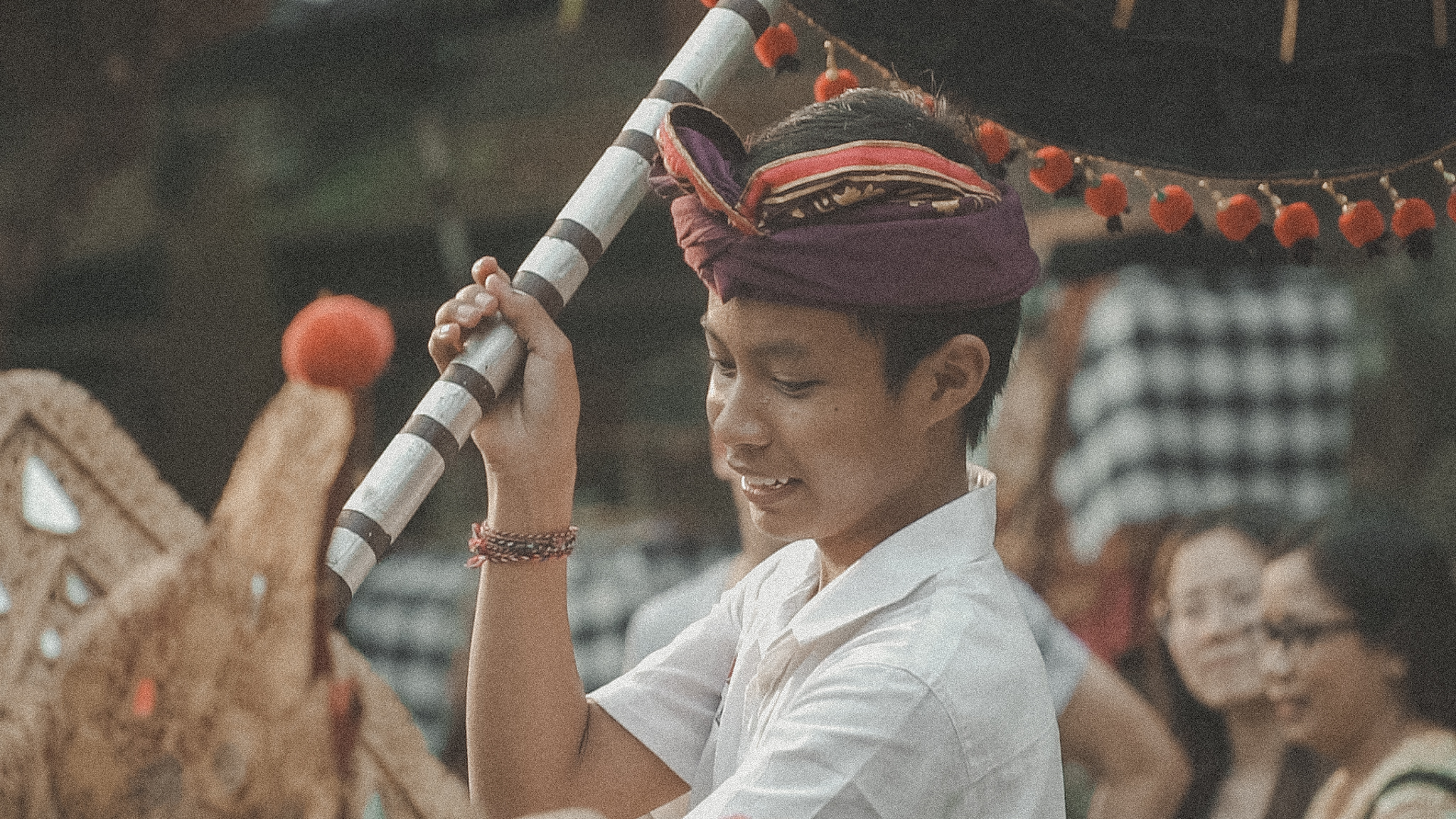
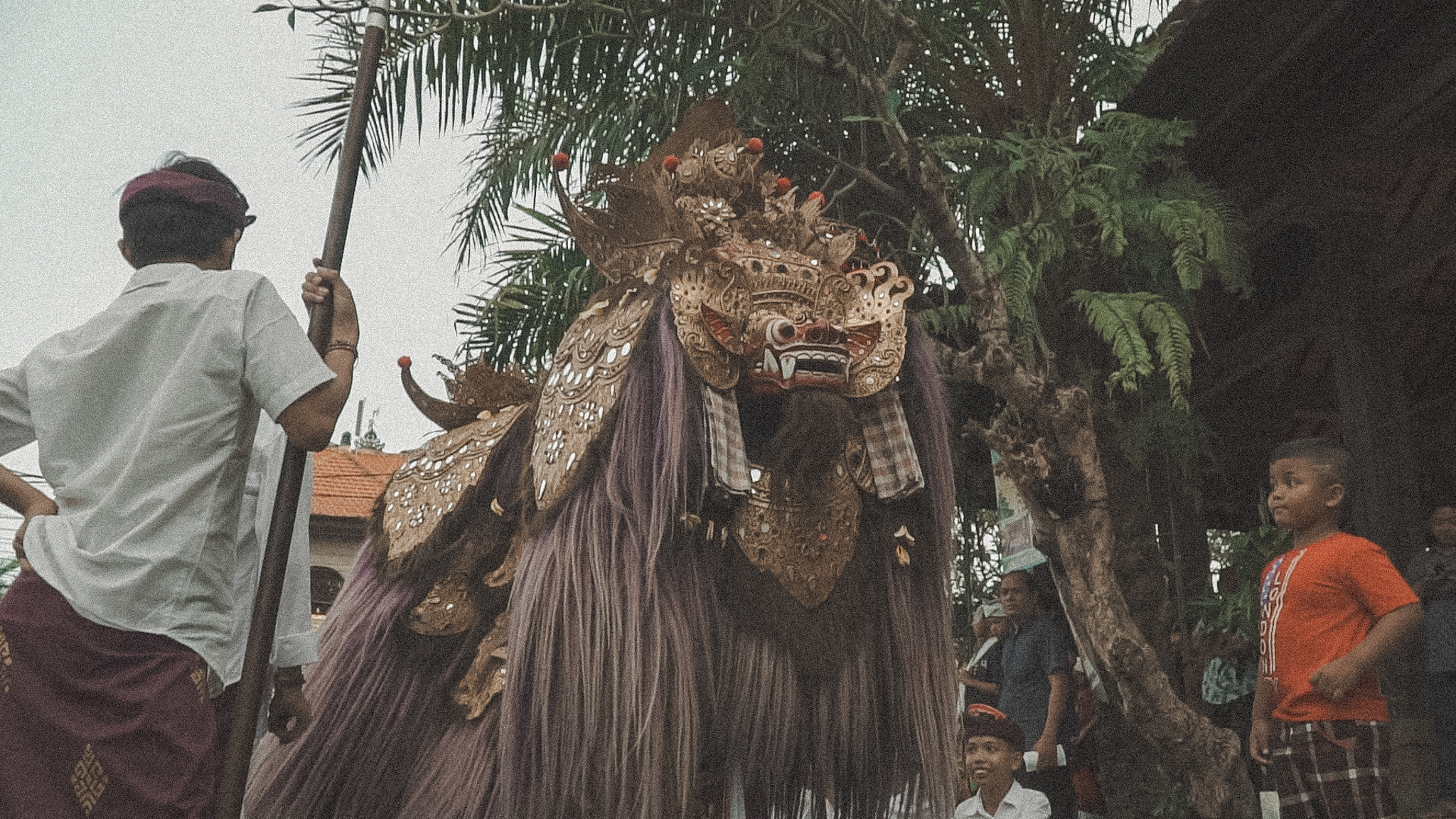
In the days that follow Kuningan, the streets of Ubud come alive with a unique spectacle. A lively group of children and teenagers gather to perform Ngelawang, which translates to “door to door.
Text & Photography by Rio Praditia
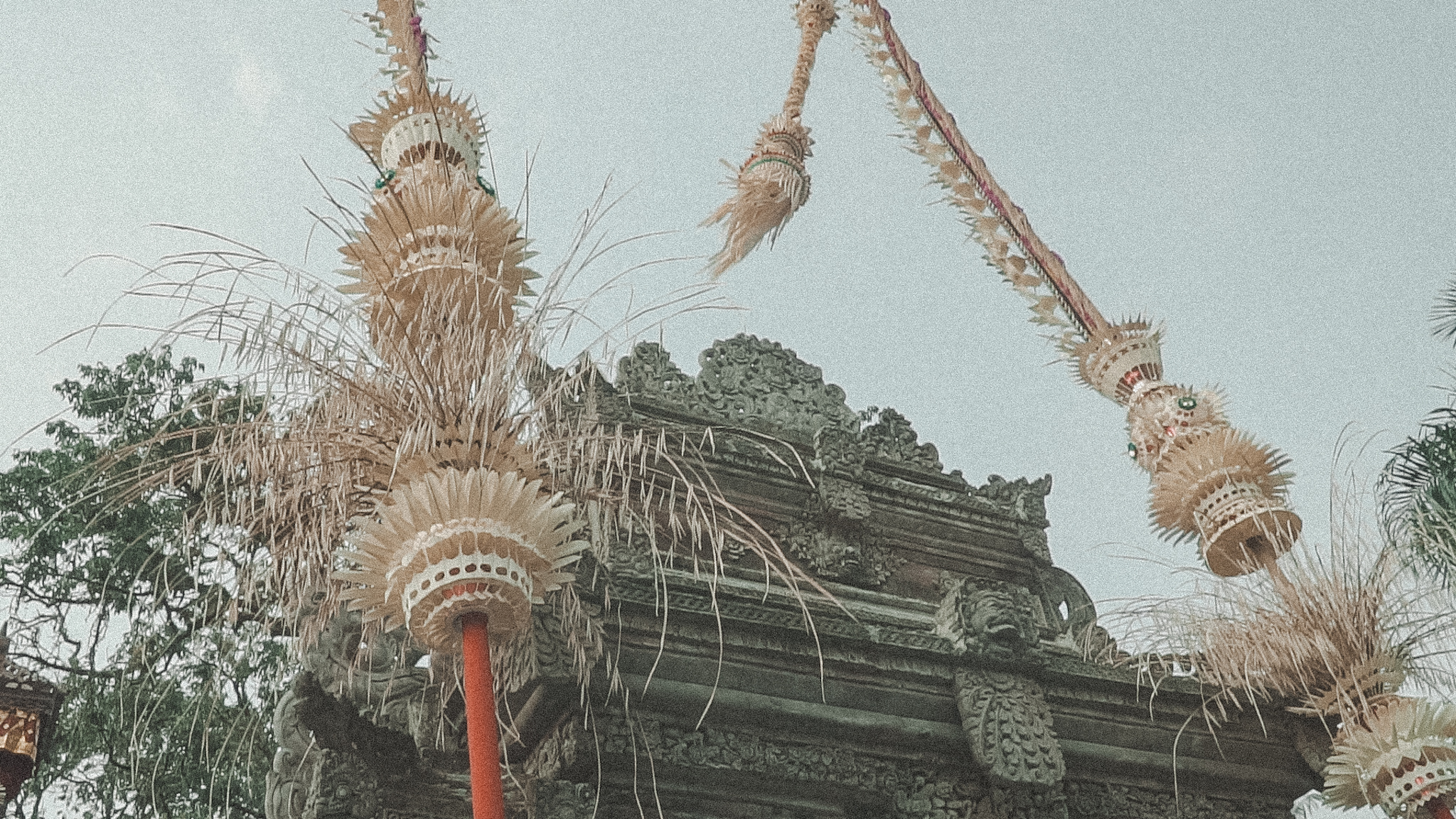
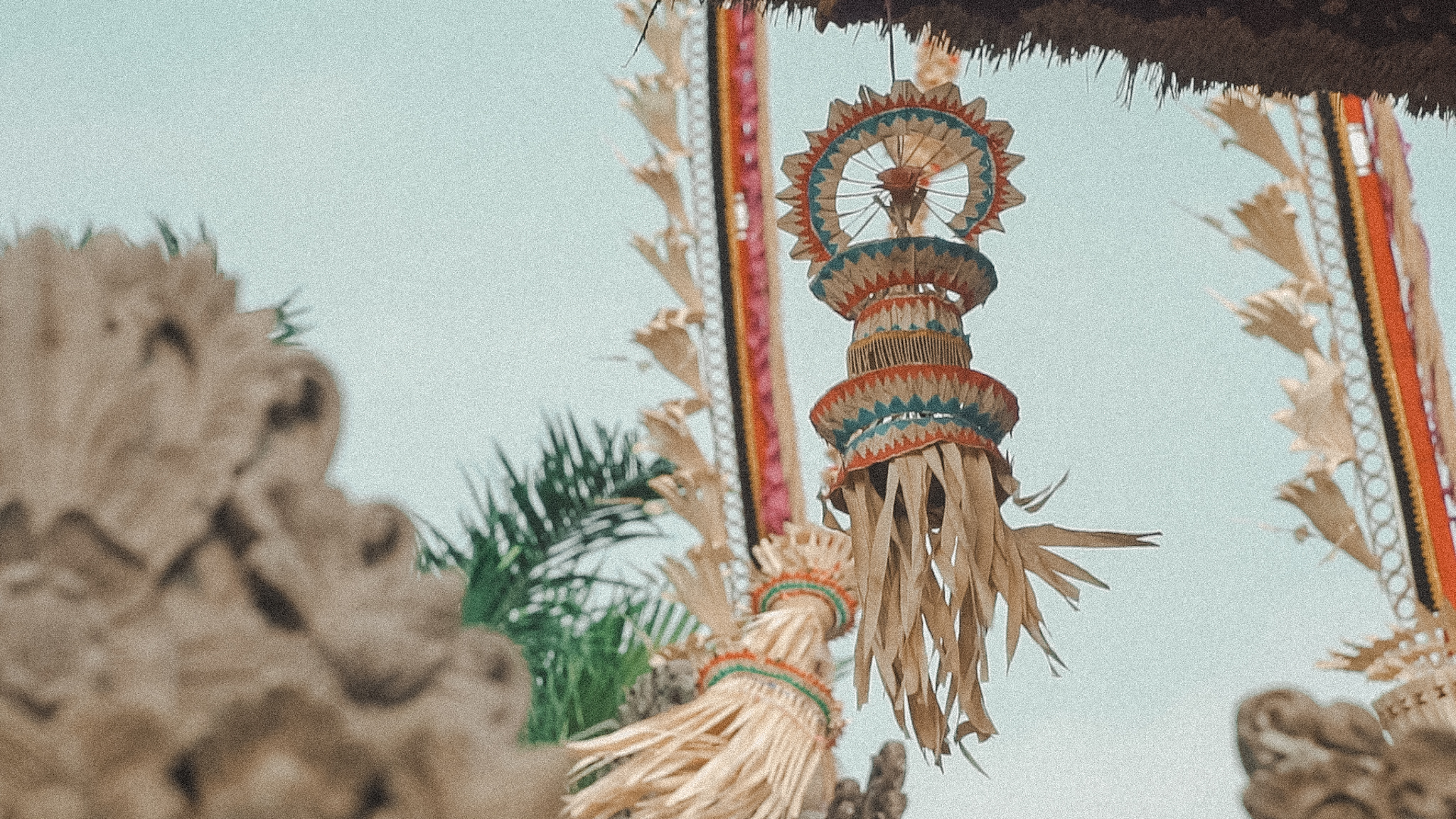
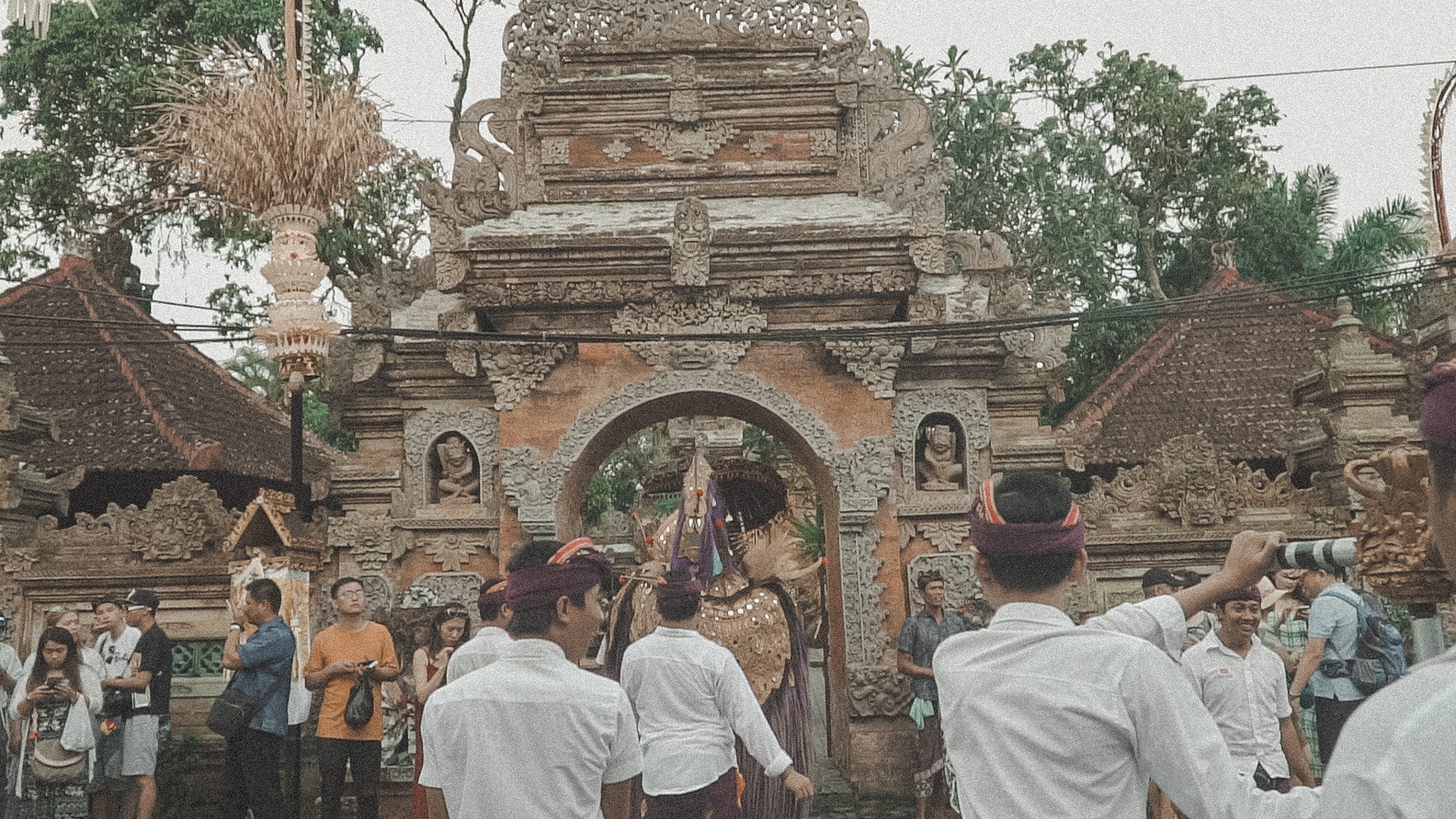
Every year, I eagerly anticipate my visit to Ubud during the vibrant Galungan and Kuningan week. This charming town in Gianyar has long been a cultural mecca, where the air buzzes with the energy of locals and tourists alike, all drawn to the majestic Puri Agung Ubud Palace. The aristocratic family here has artfully woven their feudal legacy into the fabric of contemporary Balinese life, influencing the island’s political and business landscapes.
The essence of this celebration is palpable. Galungan, which always falls on the Wednesday before Kuningan, is marked by a series of heartfelt rituals that bring the community together. It begins with Penampahan, a significant day when women meticulously prepare offerings and men adorn temples with exquisite decorations. This sacred period kicks off with the ceremonial slaughtering of a pig—an act symbolising the purging of greed and the cleansing of the soul. It’s known as penampahan galungan, and this ritual takes place early in the morning, just before Galungan.
As the sun rises higher, I find myself swept up in the atmosphere, joining locals as we decorate curved bamboo poles with janur—coconut leaf ornaments and an array of crops like rice and fruit. These offerings, presented to the gods on the sacred Mount Agung, embody our hopes for prosperity and abundance.
When Galungan dawns, the island transforms into a vibrant tapestry of devotion. Thousands of Hindus flock to their local temples, or pura, to honour their spiritual practices. The day is a celebration of the triumph of Dharma—the embodiment of goodness—over evil. After prayers at our homes, we prepare offerings of fruits, cakes, and beverages. The culmination of these rituals leads us to the cleansing waters, where we participate in umanis galungan, a purification process that renews our spirits.
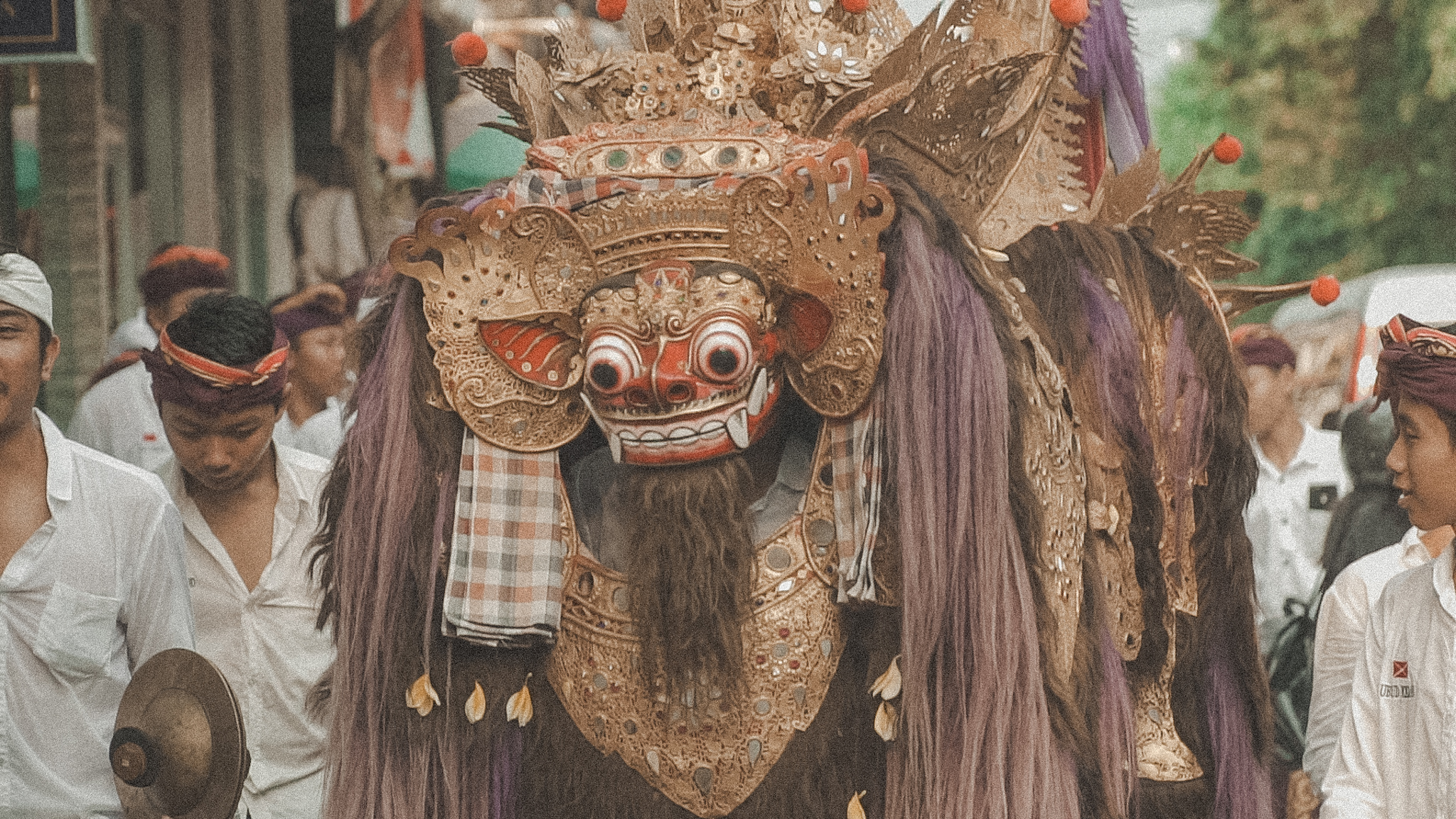
In the days that follow Kuningan, the streets of Ubud come alive with a unique spectacle. A lively group of children and teenagers gather to perform Ngelawang, which translates to “door to door.” I feel fortunate to witness this enchanting tradition around Puri Ubud, where the energy of youth fills the air.
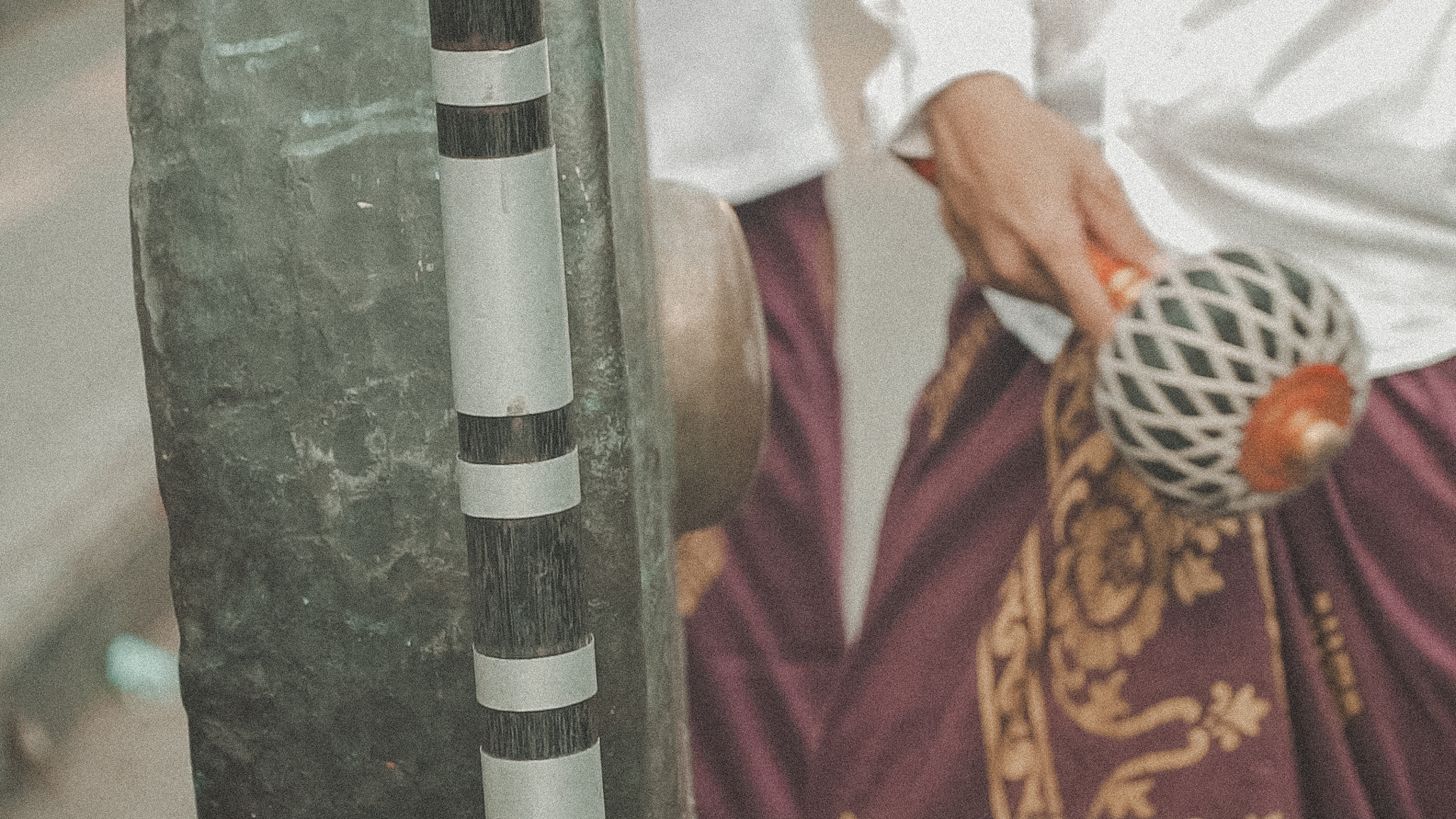
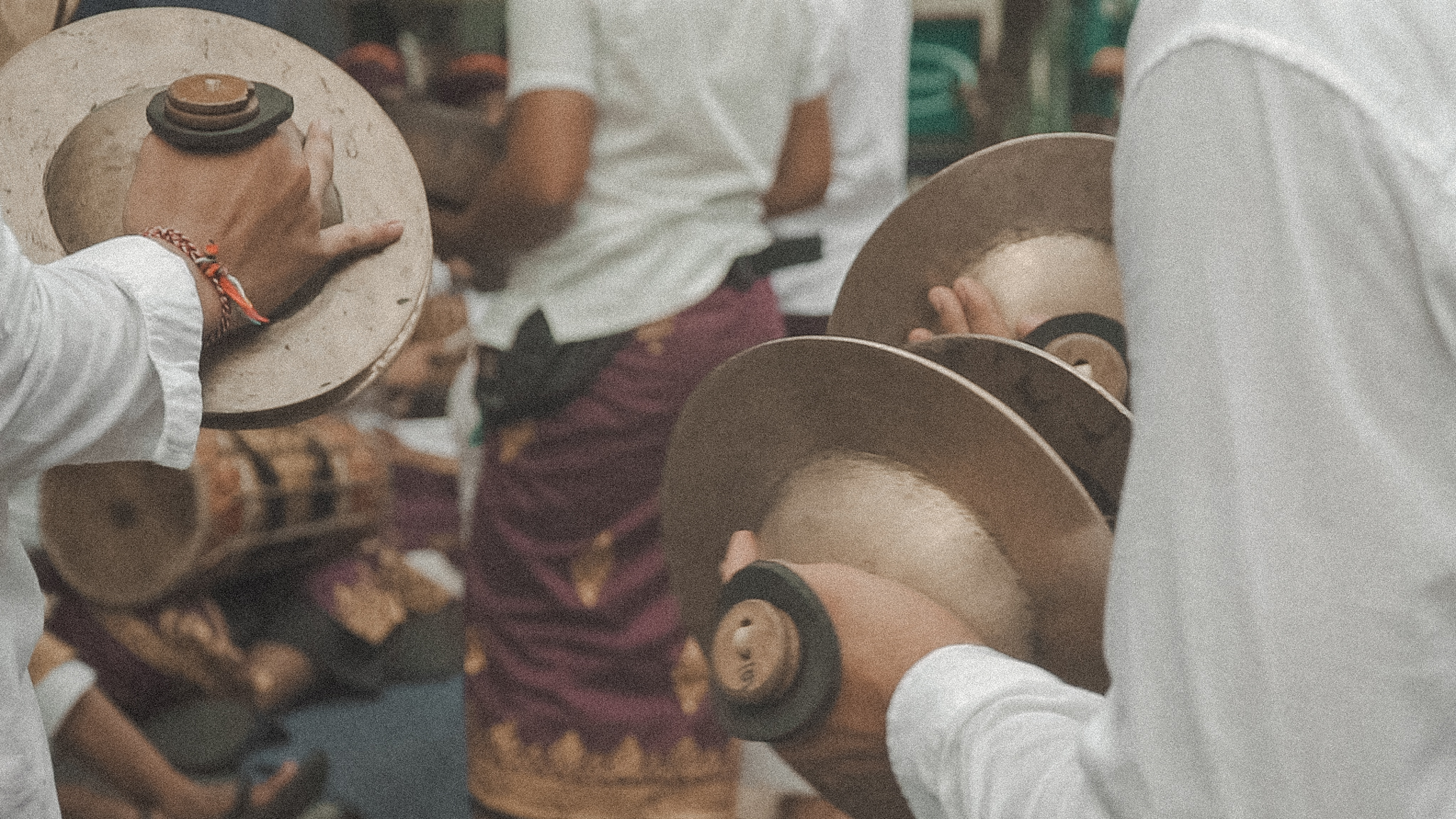
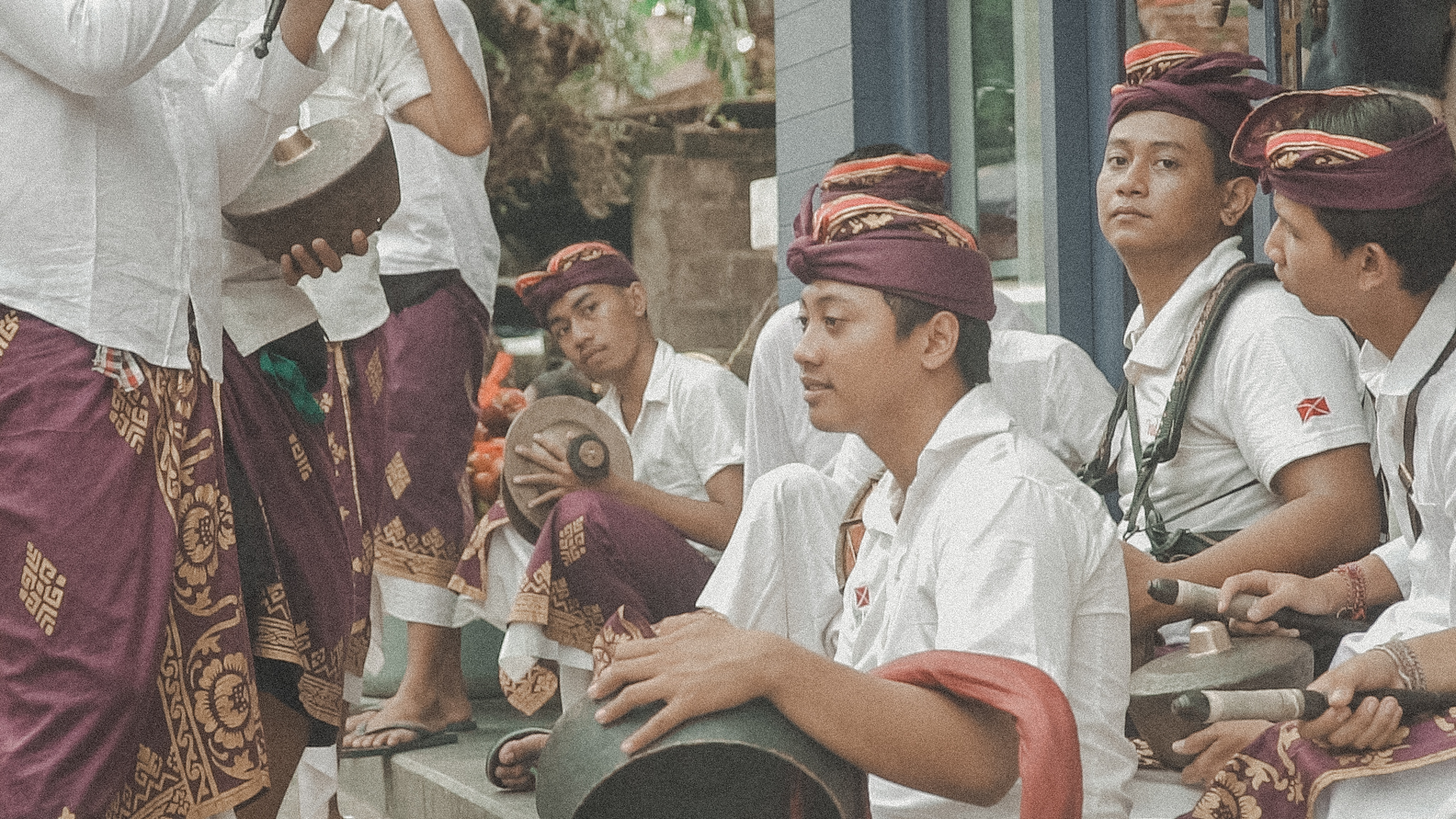
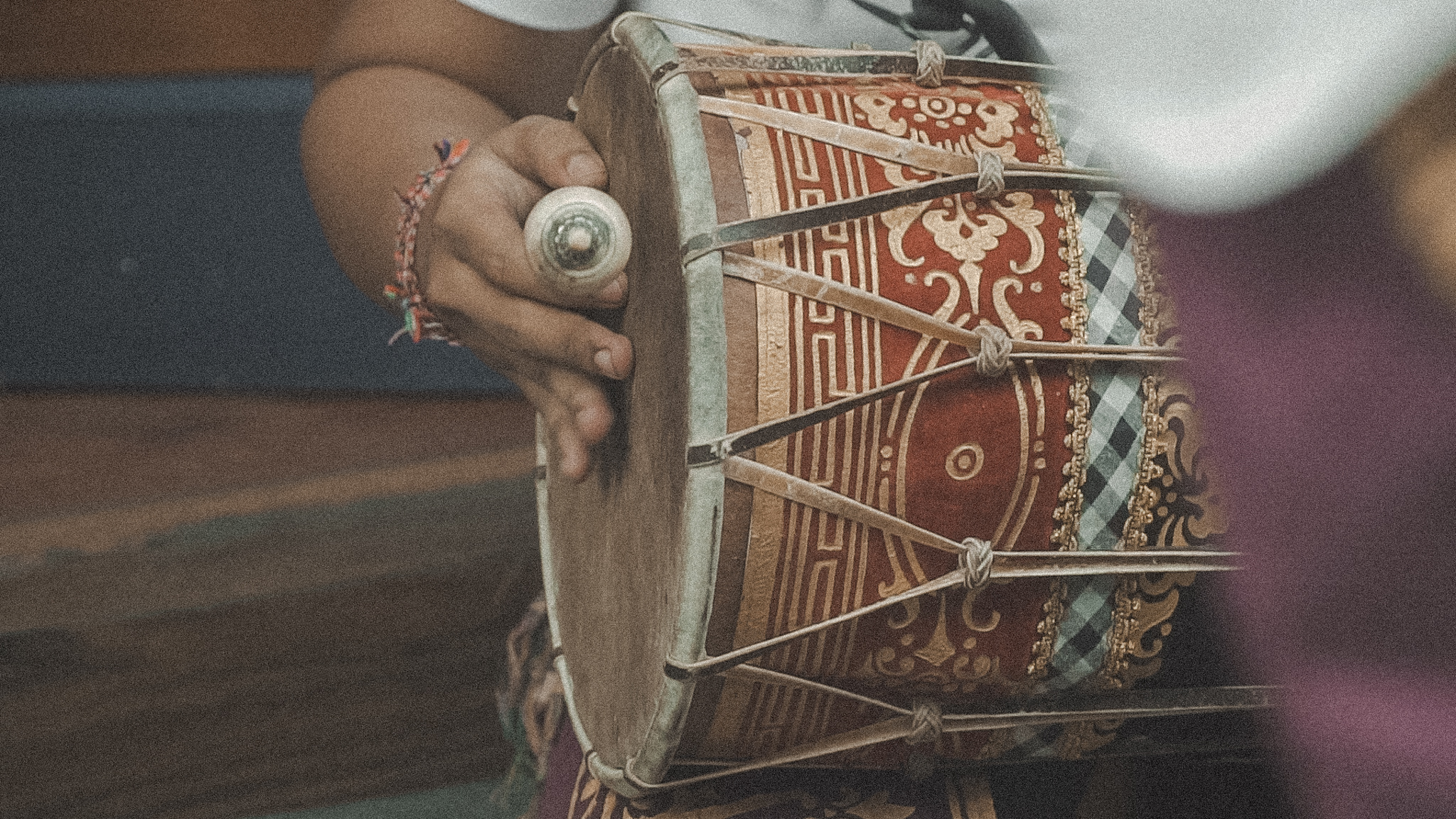
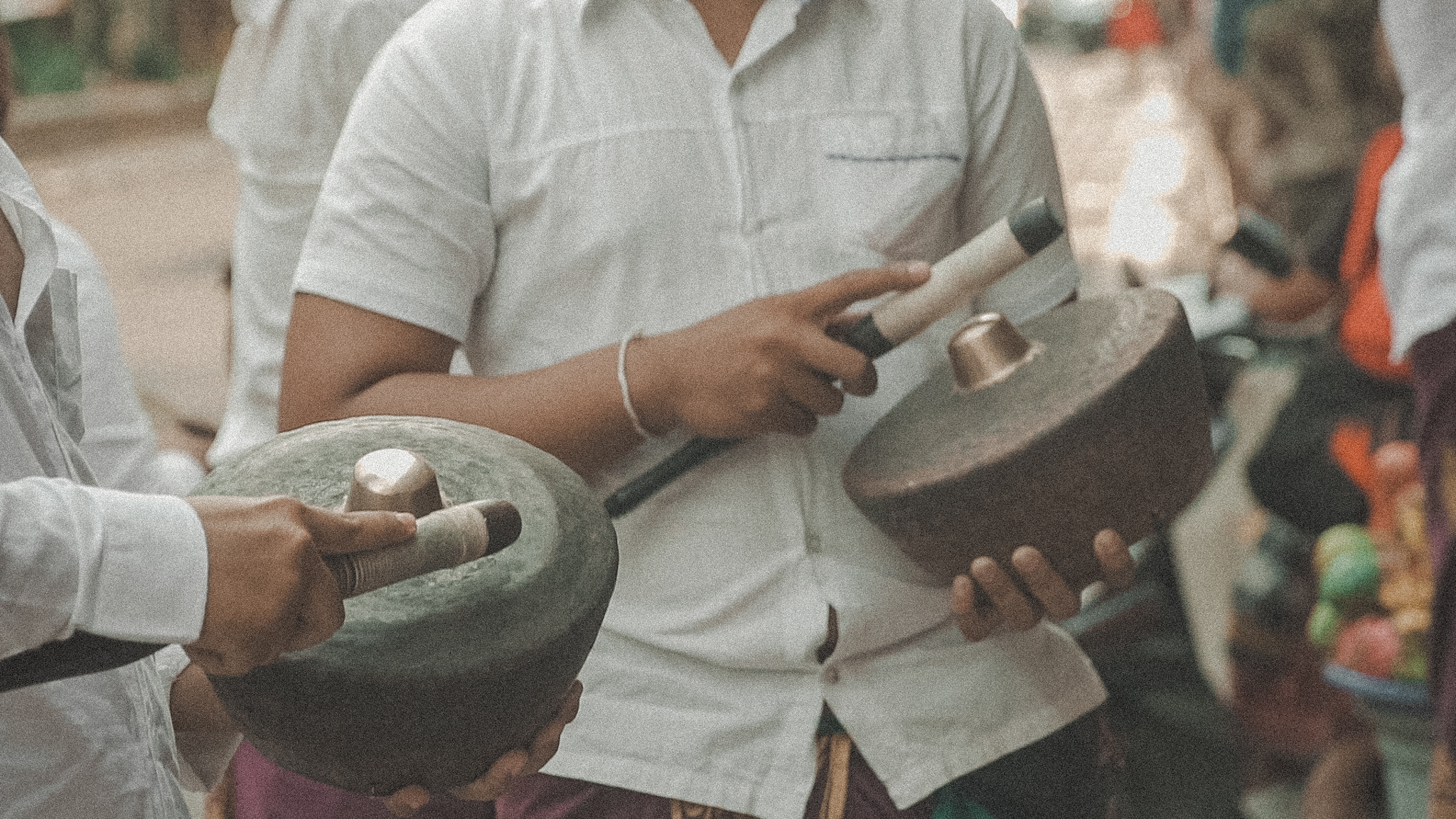
As they parade through the streets, the participants don the barong bangkung, a striking representation of a wild hog’s head, painted in deep blacks and adorned with intricate designs. The sounds of the beleganjur—a simple but captivating traditional orchestra—fill the atmosphere, drawing the attention of locals and visitors alike. They visit homes, exchanging canang sari—beautiful flower offerings often containing small amounts of money—an act of reciprocity and goodwill.
The significance of Ngelawang is profound; it serves not only as a captivating performance but also as a sacred ritual to drive away negative spirits. In regions like Gianyar and Badung, this tradition flourishes, carried on by both the young and the seasoned members of the community. The sight of the teens parading the barong is both enchanting and heartwarming, a living testament to how the island’s culture and traditions endure through generations.
As I watch the performance unfold, the vibrant energy of the crowd envelops me. There’s an unmistakable joy in the air, an excitement that connects us all to our heritage. The echoes of laughter and applause remind me that these traditions are not merely rituals but celebrations of our identity, woven together by shared history and culture. In this moment, I am profoundly grateful to be part of this beautiful tapestry that is Ubud, where the spirit of community thrives and the legacy of the past continues to inspire the present.
